Howard Norton Cook
Deer Island
1928
Numbered 47/50
Etching
6 X 8 7/8 image
Framed 23 1/4" X 20 1/4"
Howard Norton Cook (1901-1980) was an American artist, particularly known for his wood Engravings and murals. Cook spent much of the 1920s in Europe and returned to live in Taos, New Mexico.
Cook first came to Taos, New Mexico in 1926 commissioned by The Forum to make a series of woodcuts to illustrate Death comes for the Archbishop that would be published serially in the periodical. In Taos he was introduced to artist Barbara Latham by Victor Higgins. The couple married in May 1927. From 1928 to 1935, they traveled: to Europe, Mexico and the American South. Working for New Deal art projects, Cook produced murals for courthouses in Pittsburgh and Springfield Massachusetts (Public Works of Art Project). He also produced a 16-panel fresco, The Importance of San Antonio in Texas History, in a San Antonio post office, for which he was paid $12,000 in 1937. In 1938, the couple settled near Taos on the Talpa ridge. This became their base until 1976. During World War II, Cook was an artist for the US Navy. In 1943 he was appointed Leader of a War Art Unit and served in the Solomon Islands in the Aslatic-Pacific Theater
In 1967, Cook became the first artist in the Roswell useum and Art Center's Artist-in-Residence program. The couple started to spend their winters in Roswell, New Mexico, where they eventually moved in 1973. Due to Cook's ill health, the couple moved to Santa Fe in 1976. Cook died in 1980.
TRU-VUE Optium MUSEUM Acrylic
Trusted by the world's most renowned museums, this state-of-the-art glazing boasts a virtually invisible anti-reflective coating allowing viewers to see the finest details in crystal clear color neutrality, while its UV-filtering, abrasion resistant acrylic, and anti-static coating offer uncompromising protection and preservation.
FEATURES:
- Virtually eliminates reflections
- Blocks up to 99% of UV rays
- Optimal light transmission protects and brightens colors
- Anti-static protection that immediately dissipates static
- Durable hard coat protects against scratches
- Shatter resistance safeguards against injury and damage to artwork
- Cleans like glass - no special cleaners needed
- Proprietary coating is engineered for permanence
Howard Norton Cook
Deer Island
1928
Numbered 47/50
Etching
6 X 8 7/8 image
Framed 23 1/4" X 20 1/4"
Howard Norton Cook (1901-1980) was an American artist, particularly known for his wood Engravings and murals. Cook spent much of the 1920s in Europe and returned to live in Taos, New Mexico.
Cook first came to Taos, New Mexico in 1926 commissioned by The Forum to make a series of woodcuts to illustrate Death comes for the Archbishop that would be published serially in the periodical. In Taos he was introduced to artist Barbara Latham by Victor Higgins. The couple married in May 1927. From 1928 to 1935, they traveled: to Europe, Mexico and the American South. Working for New Deal art projects, Cook produced murals for courthouses in Pittsburgh and Springfield Massachusetts (Public Works of Art Project). He also produced a 16-panel fresco, The Importance of San Antonio in Texas History, in a San Antonio post office, for which he was paid $12,000 in 1937. In 1938, the couple settled near Taos on the Talpa ridge. This became their base until 1976. During World War II, Cook was an artist for the US Navy. In 1943 he was appointed Leader of a War Art Unit and served in the Solomon Islands in the Aslatic-Pacific Theater
In 1967, Cook became the first artist in the Roswell useum and Art Center's Artist-in-Residence program. The couple started to spend their winters in Roswell, New Mexico, where they eventually moved in 1973. Due to Cook's ill health, the couple moved to Santa Fe in 1976. Cook died in 1980.
TRU-VUE Optium MUSEUM Acrylic
Trusted by the world's most renowned museums, this state-of-the-art glazing boasts a virtually invisible anti-reflective coating allowing viewers to see the finest details in crystal clear color neutrality, while its UV-filtering, abrasion resistant acrylic, and anti-static coating offer uncompromising protection and preservation.
FEATURES:
- Virtually eliminates reflections
- Blocks up to 99% of UV rays
- Optimal light transmission protects and brightens colors
- Anti-static protection that immediately dissipates static
- Durable hard coat protects against scratches
- Shatter resistance safeguards against injury and damage to artwork
- Cleans like glass - no special cleaners needed
- Proprietary coating is engineered for permanence

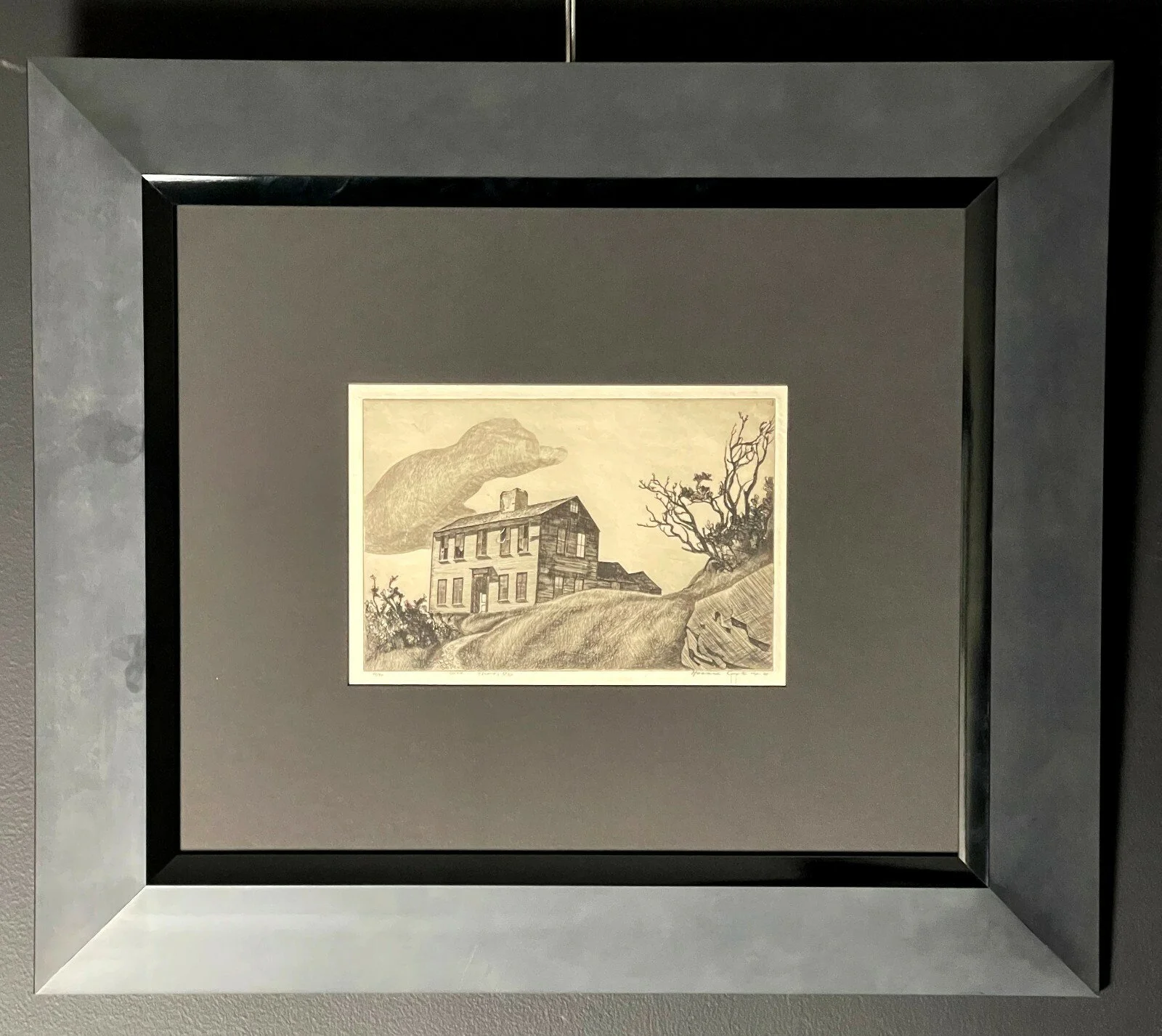 Image 1 of 8
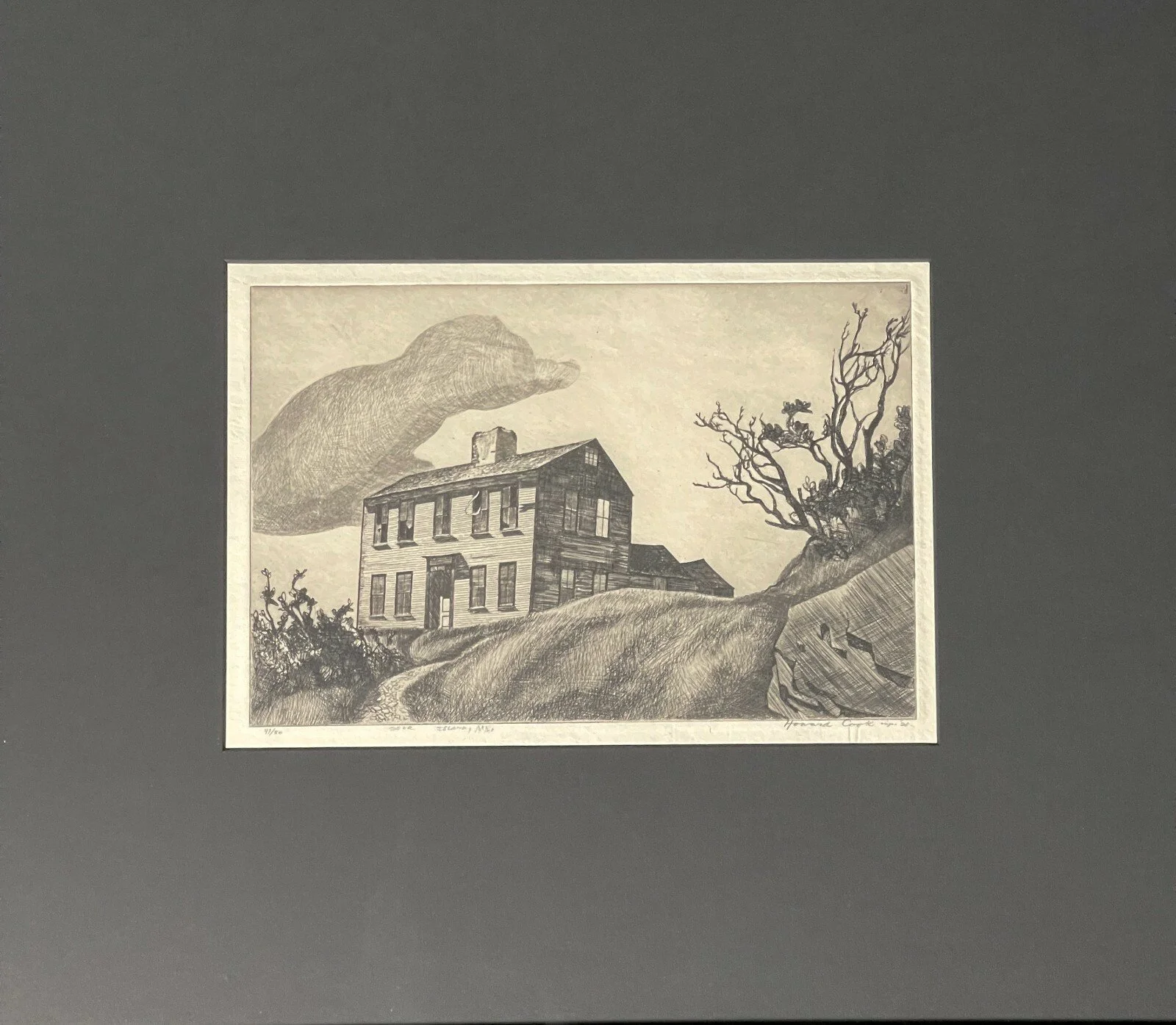 Image 2 of 8
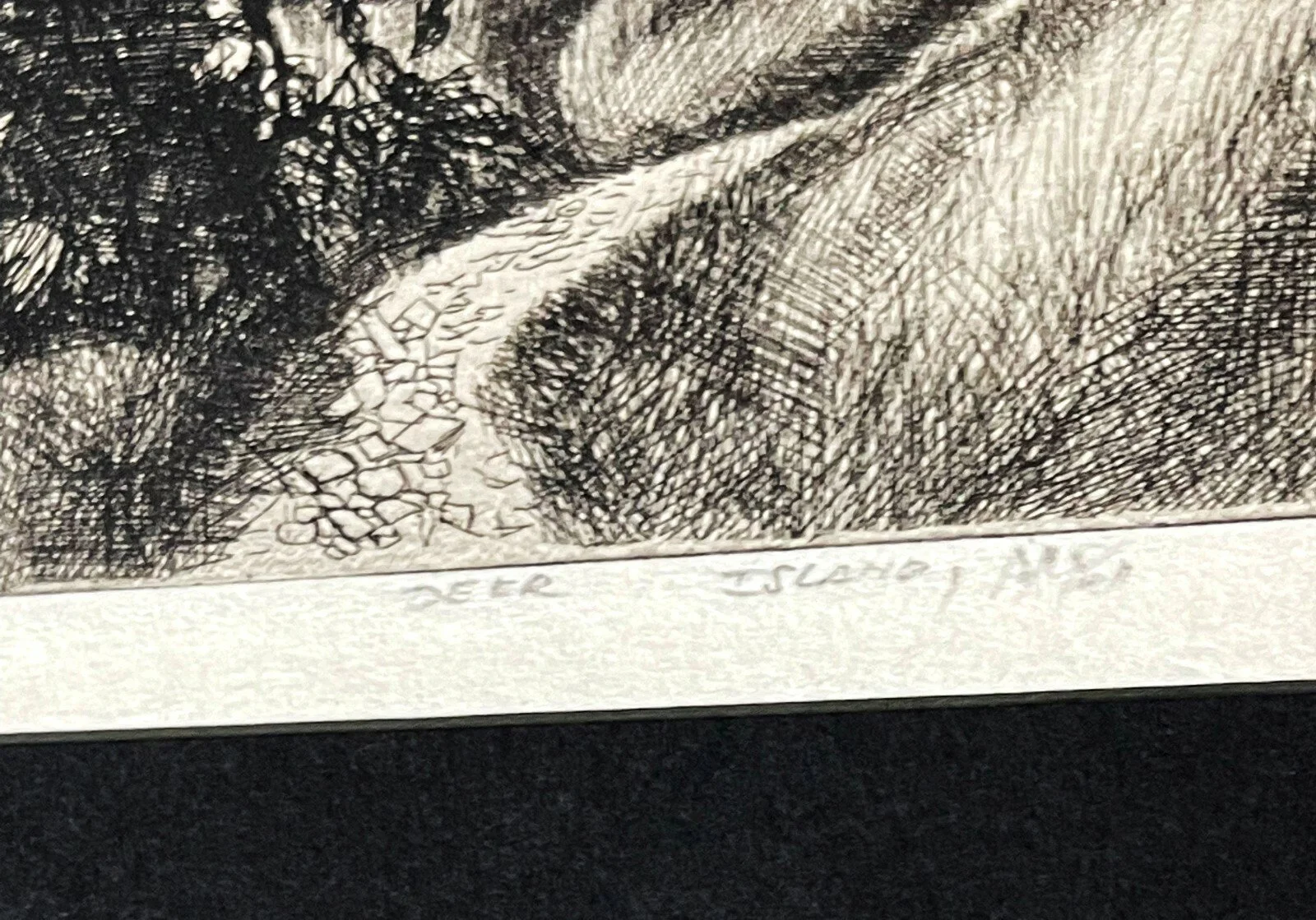 Image 3 of 8
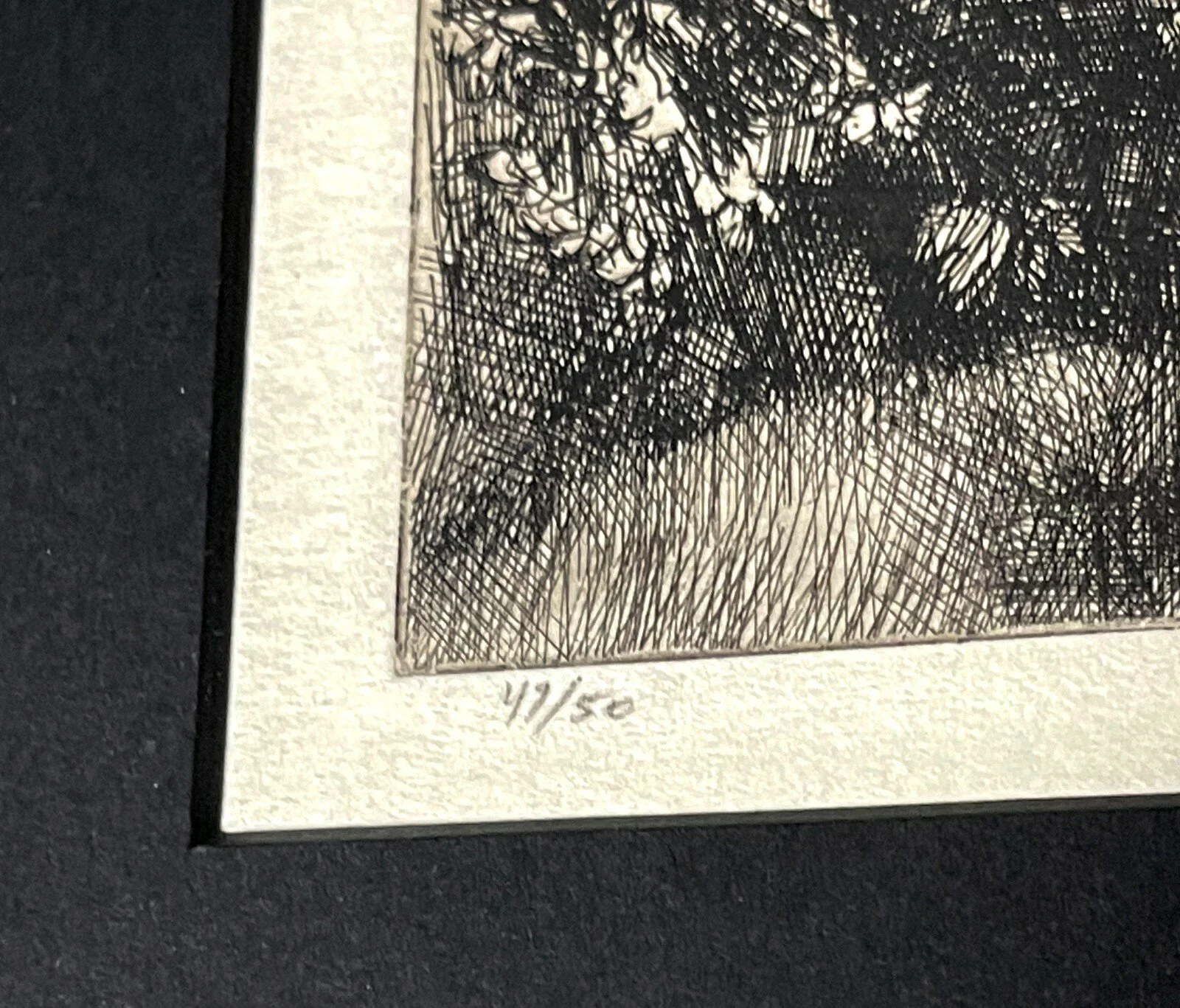 Image 4 of 8
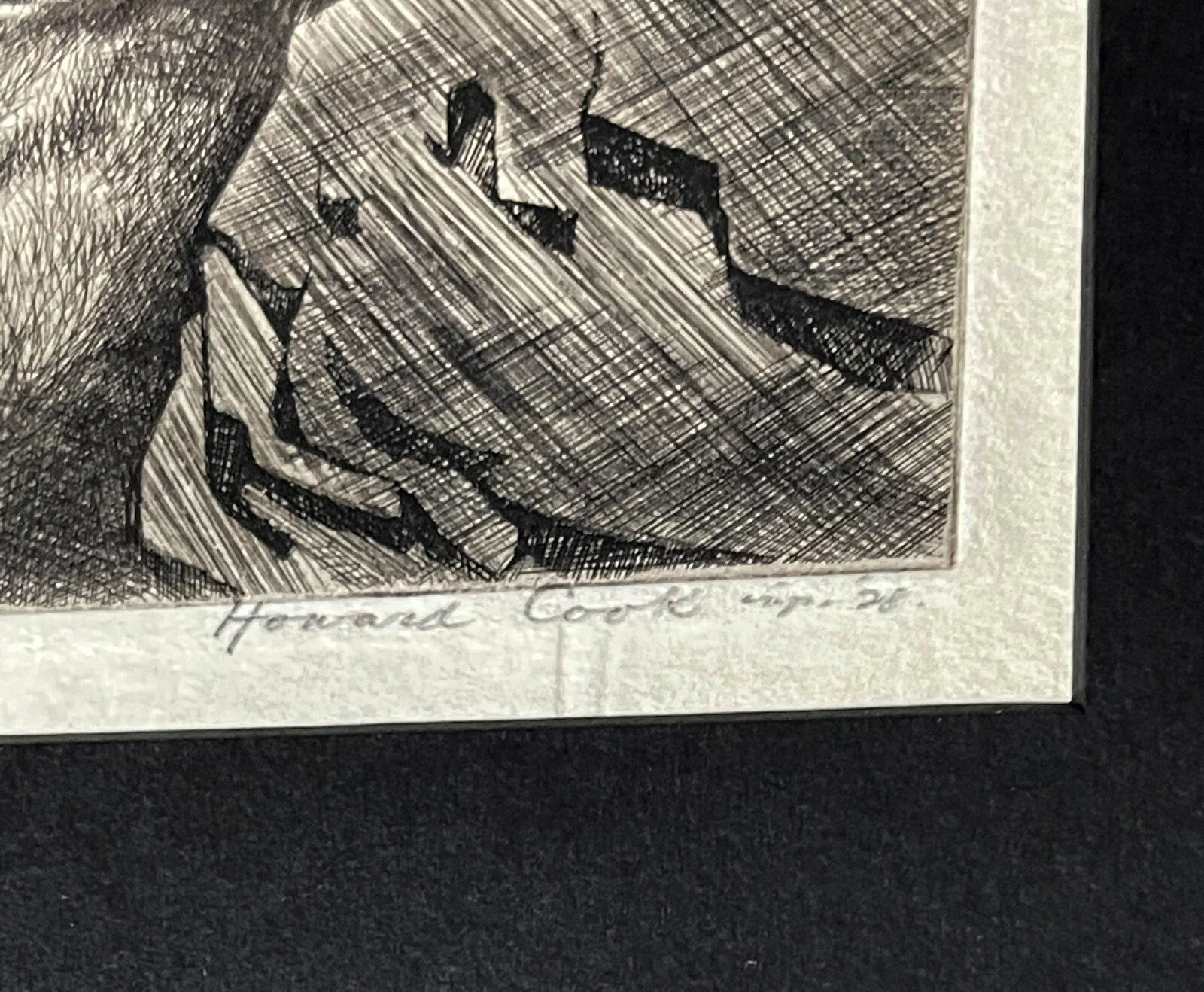 Image 5 of 8
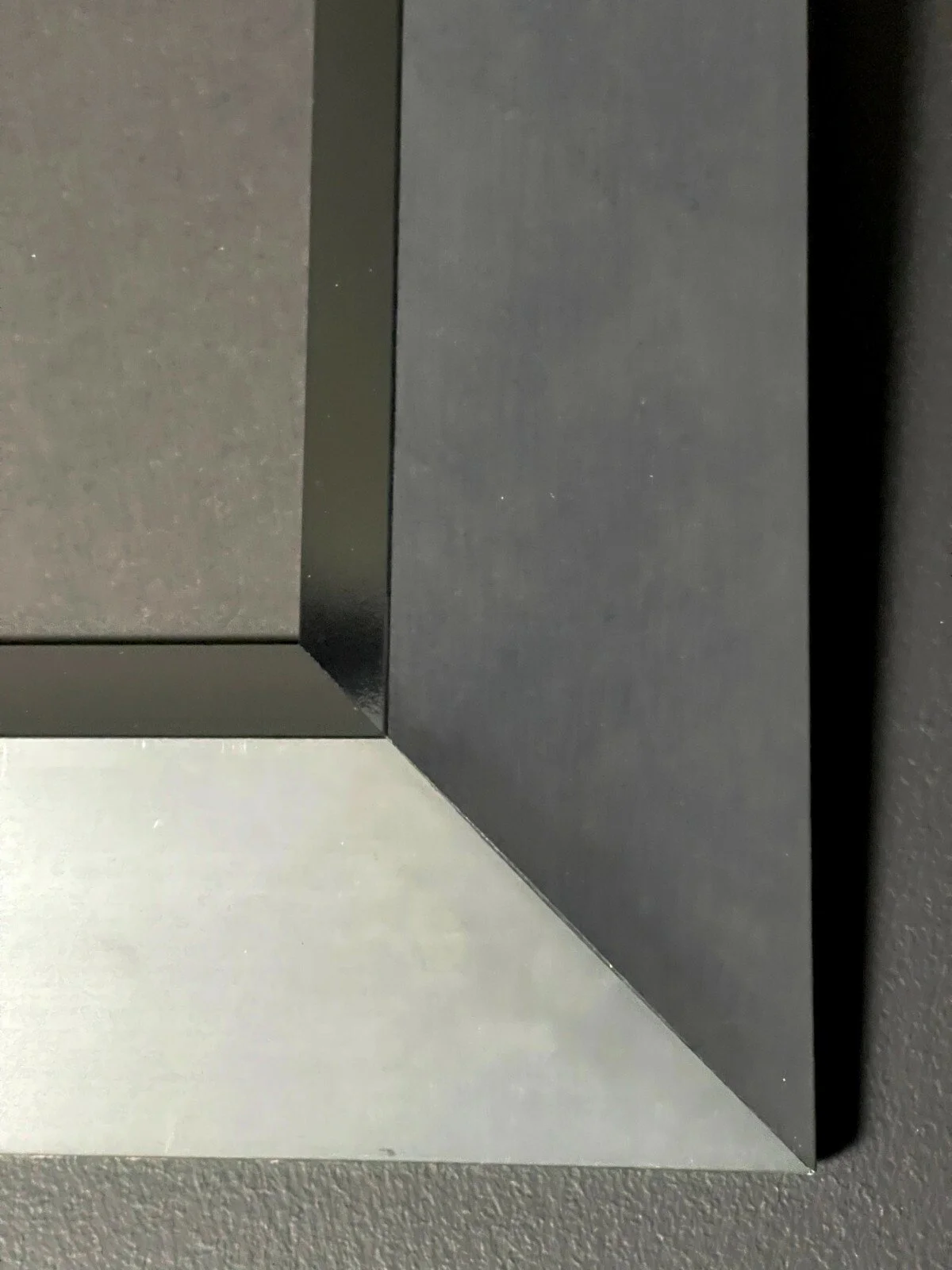 Image 6 of 8
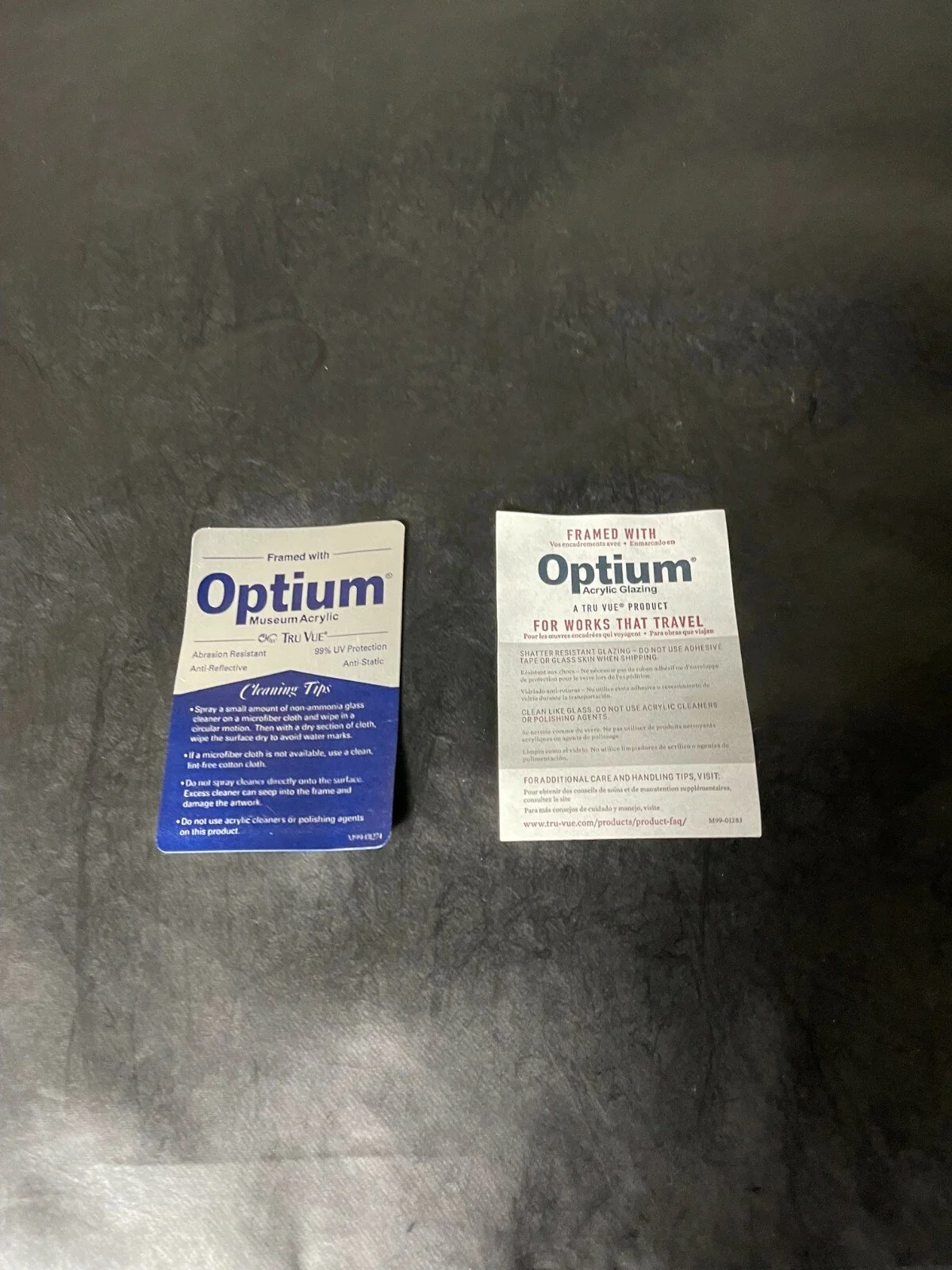 Image 7 of 8
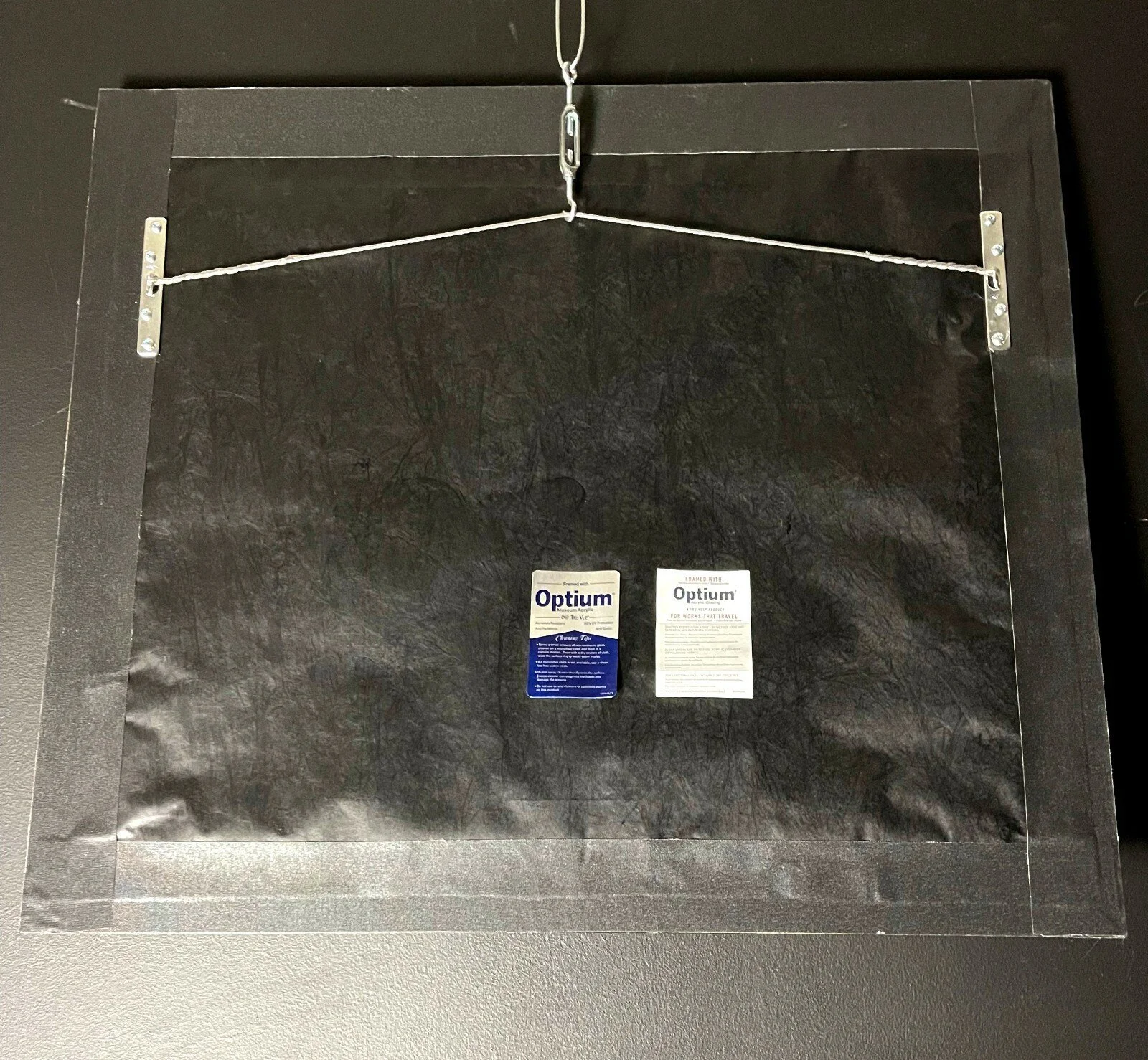 Image 8 of 8